At SoundLife Music Academy, one of our core philosophies is that music is not learned in a 1:1 lesson once a week. Music is learned in between the lessons. It happens when you immerse yourself in the world, test your skills in real-world settings—whether on stage, in the studio, or getting lost in practice at home—and turn skills into real-life experiences.
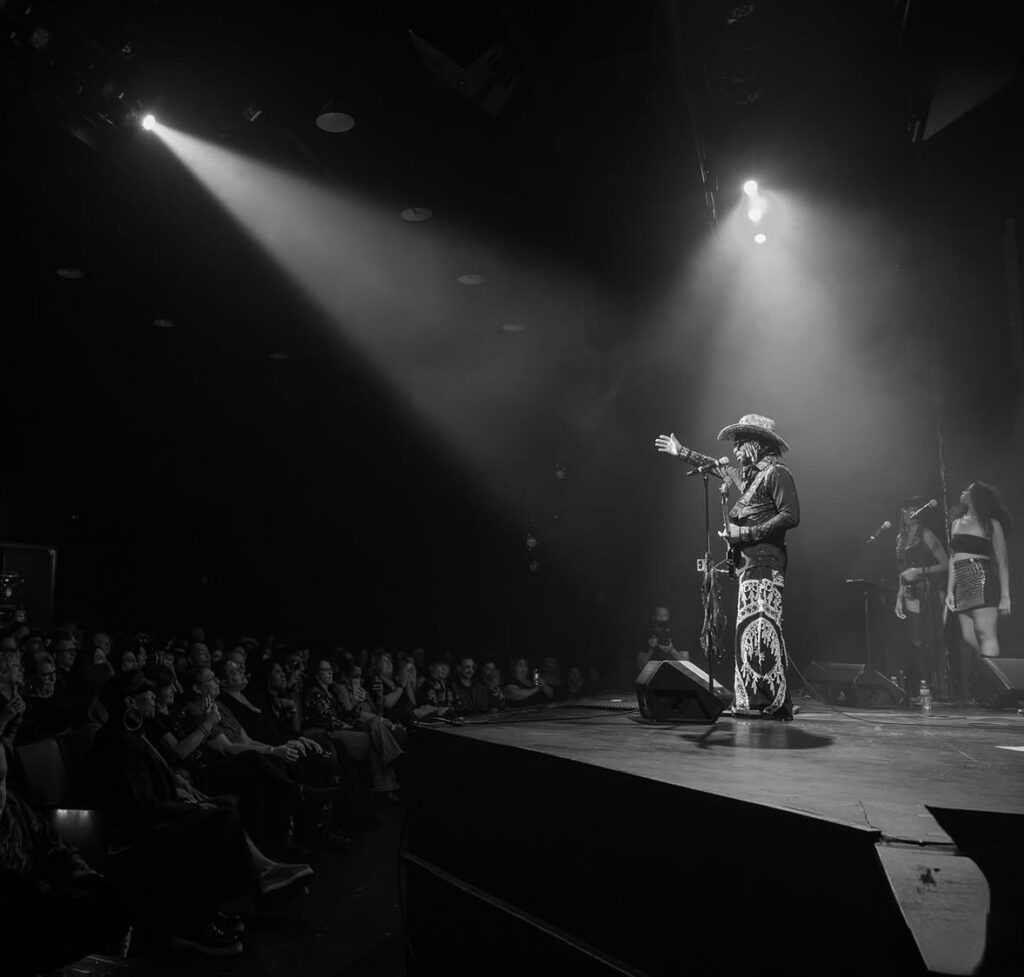
Recently, Program Director Chris Vazquez had the privilege of playing guitar in Minneapolis for the album launch show of André Cymone—Prince’s childhood friend, original bassist, and co-creator of the legendary “Minneapolis Sound”. Returning from a intense week of 6-to-8-hour rehearsal days leading up to a show at The Capri (the exact venue where Prince played his first-ever solo show in 1979), Chris shared some powerful insights on what it takes to grow as a musician.
Here are the key takeaways for students learning an instrument and parents supporting their child’s musical journey:
Key Takeaways for Music Students
1. Silence the “Imposter Syndrome” Through Preparation
Even experienced professional musicians who have played all over the world get nervous. Stepping into a new genre, playing with unfamiliar musicians, or performing at a historical venue can bring up doubt.
- The Fix: You quiet those inner voices by doing your homework, staying present, and putting in the work until you feel confident that you belong. Remember, if you want a transcendent musical experience, you need to get your hands, heart, and head prepared to receive that experience. That means some things might take one person more time than another, and that’s okay. Give whatever you are doing the amount of time needed for to feel like you can play and perform at your best. If you do this, often times you will find that you have grown in the process and exceeded your best.
2. Practice “Active Patience” in Rehearsals
When playing with others, music isn’t just about playing your parts; it’s like a simmered soup that needs time to cook. Being actively patient means:
- Staying engaged and volunteering solutions.
- Listening closely to what the music and other players need.
- Allowing the groove and chemistry to unfold naturally without pushing too hard.
I was once let go from of a band because they didn’t like my “vibe.” I had to learn the hard way that your attitude and energy are of equal in importance to your playing. Consider the amount of time musicians spend together in rehearsal, on tour buses, sound checks, etc…Nobody wants to spend that kind of time with someone who doesn’t bring in good energy.
3. Your “Vibe” and Professionalism Matter as Much as Your Skills
Being a great musician is only 50% about how well you play your instrument. The other 50% is about your energy, reliability, and attitude.
- Be on time.
- Be prepared with everything you need.
- Be flexible, easygoing, and fun to be around.
- Serve as a “messenger” for the music, serving the song and the show rather than showing off.
4. Give the Audience Permission to Express Themselves
When you perform, you are the catalyst for the audience. If you stand stiffly and stare at the floor, the audience won’t know how to react. When you let go, commit 100%, and express yourself physically without being self-conscious, you give the audience permission to do the same, to let loose and enjoy the experience with you.
What Parents Need to Know: Supporting Your Young Musician
1. The Real Learning Happens Outside the Lesson Room
While weekly music lessons provide guidance, structure, and accountability, true musicality develops when your child explores their instrument at home, experiments on their own time, and connects with music as a form of self-expression. Encourage them to get “lost” in their practice rather than treating it like a rigid chore.
2. Feeling Uncomfortable is Part of the Growth Process
When your child tackles a difficult piece or gets nervous before a performance (like our upcoming Showcase!), remind them that feeling out of their comfort zone is completely normal. Pushing through those moments of discomfort is exactly how confidence is built.
3. Be a Fan First
How do connections and long-term passion start? By being a fan! Encourage your child to listen to albums, go to live shows, watch performances, and fall in love with the music first. Passion is the greatest engine for practice and dedication.
Want to hear more stories and real-world advice from our SoundLife team? Stay tuned for our upcoming monthly updates and blog posts, and don’t forget to check out André Cymone’s latest music on Spotify and streaming platforms!